Abstractical Inc.
At Abstractical Inc., we embrace innovative, human-centered approaches to promoting mental wellness within our communities. By thoughtfully blending data-driven insights and expressive art. We design impactful programs that encourage self-awareness and support emotional resilience through community connections. Our work transforms complex information into meaningful experiences, empowering individuals and organizations to engage with mental health in accessible and creative ways.

Mindfulness Techniques
Addressing Stigmas
Why Mental Health Stigmas Exist
-
Fear of the unknown: A historical lack of education and scientific understanding created fear and judgment around mental illness.
-
Media stereotypes: Movies and news frequently misportray individuals with mental health conditions as dangerous or unpredictable.
-
Cultural expectations: Many societies historically viewed emotional vulnerability as a sign of personal weakness or a lack of willpower.
-
Invisible symptoms: Because mental illness cannot be seen like a physical injury, people often struggle to view it as a real medical condition.
Why They Shouldn't Be There
-
It blocks treatment: Fear of judgment stops people from seeking the medical and therapeutic help they need.
-
It causes isolation: Stigma alienates individuals, cutting them off from support networks when they are most vulnerable.
-
It is a physical reality: The brain is an organ; a mental health condition is a medical issue, not a character flaw.
-
It limits opportunities: Discrimination based on stigma unfairly impacts a person's ability to get jobs, housing, or an education.
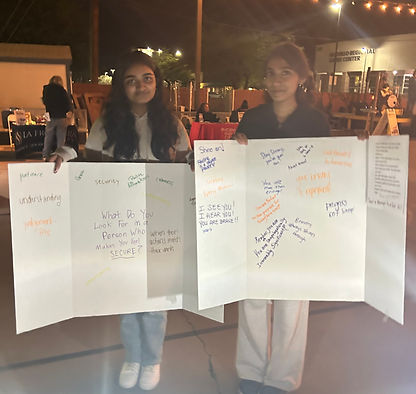
Community Poster #1 Study Results
"What do you look for in a person who makes you feel secure"
Our results MAINLY included the following:
-patience
-understanding
-judgement-free
-someone kind
-grace
-when they match your energy
-stability
-security
-positive affirmations
-calmness
-consistency
-when their actions match their words
-active listener, not just jabberer
Analysis of Results:
The provided data reveals that emotional security is fundamentally rooted in relational predictability and psychological safety, rather than material or physical protection. Participants' desires for "consistency," "stability," and "actions matching words" highlight a core human need for behavioral reliability to eliminate interpersonal anxiety. This structural foundation is augmented by a need for unconditional acceptance, where traits like being "judgement-free" and showing "grace" create an environment safe for vulnerability. Furthermore, the emphasis on "calmness," "active listening," and "matching energy" demonstrates that a secure acquaintance must act as an emotional co-regulator: someone who uses empathetic communication and a grounded temperament to de-escalate stress and validate the other person's internal experience. In essence, security is defined as a dynamic mix of dependable behavior, non-judgmental acceptance, and active emotional attunement.
How we can take action:
- Listen actively: Focus on understanding their perspective completely before you speak, without interrupting or rushing to offer advice.
- Be consistent: Ensure your daily actions reliably match your words and commitments so they always know what to expect.
- Drop judgment: Respond to their mistakes or vulnerability with empathy and grace instead of criticism or rejection.
- Stay calm: Manage your own stress so you can offer a grounded, soothing presence when tensions or anxieties run high.
- Affirm them: Frequently verbalize your appreciation and match their emotional energy to make them feel valued and seen.
Community Poster #2 Study
Our MAIN results:
How can social media affect conversations surrounding mental health?
-increase false ideations
-social media can be helpful if teaches/helps us
-k-pop, comfort, and happiness
-social media shows unrealistic beauty standards that aren't healthy and can lead to many mental health problems
-bring light to dark situations
-showcases a perfect life that's not real and it affects people mental health because they compare
-it increases mental health awareness
-makes people feel less alone
-it can give a voice to those who feel silent. articulate situations or feelings that some can connect with
-it can raise awareness
What gives you HOPE for the future?
-being with friend or family member where they are at, on the journey
-my dog
-knowing that God is there for me and cares for me
-growth and failing is okay
-there's no where to go but up
-there are good moments
-my niece
-my passion is: people
-my grandkids
-the world keeps spinning
-women
-my family
-no one can take my sense of self
-the kids I teach/my friends and family
-my daughter and my family
-someday getting an apartment with my girlfriend
-the kindness of people supporting me
-by believing myself and confidence
-my sisters
-seeing communities come together in conversation
-the knowledge that tomorrow will not be the same
How can friends support someone that is going through a difficult time?
-being there to listen
-validation
-being present
-letting them know they are safe and loved
-check in often and be there
-listen, don't judge
-asking what they need
-be supportive
-love
-offering support
-sympathy
-being a safe space
-helping, talking, supporting
-have an open heart
Analysis:
Social media functions as a double-edged sword that both hinders and helps conversations surrounding mental health. On one hand, it can spread false information and promote unrealistic standards that drive toxic comparisons and lower self-esteem. On the other hand, it provides a powerful platform to raise awareness and build comforting communities that give a voice to those who feel silenced.
Hope for the future is deeply rooted in personal relationships alongside inner resilience and the belief in ongoing change. Participants feel supported and stronger from from loved ones, such as family, partners, pets, and future generations who provide purpose and connection. Furthermore, faith in oneself and/or spiritually with the knowledge that tough times are temporary give people the courage to keep moving forward.
Supporting a friend through a difficult time relies on active, non-judgmental presence rather than trying to fix their problems. The core of effective support is creating a safe, loving space where individuals feel validated and truly heard. By regularly showing sympathy and directly asking what kind of help is needed, friends can offer the comforting connection that makes a meaningful difference.
What we can do:
- clean up your digital feed
-practice active listening
-ask how to help
-remind yourself of your anchors
-prioritize real-world connection
Past Events

Neurofibromatosis Family and Community Educational Conference

Mental Health Wellness Walk

2nd Annual Mental Health Awareness & Resource Availability Day

Tics and Tourette's Family Education Day
HopeFest 2026

Phoenix Pointe Psychiatry Opening Event

4th Annual Suicide Prevention and Vigil
Upcoming Events
October 3 - Phoenix Children's Hospital Conference Center: Headache and Migraine Family Day
October 10 - Tumbleweed Park Mental Health Walk (Sistaluv)
About the Founder

Hi everyone, my name is Mihira Prasad and I am the founder of Abstractical Inc. I started this organization because I was inspired to develop both the analytical and abstract cognition skills of those around me in order to engender internal mind space and happiness. At Abstractical Inc., we aim to fill in the gap of mental health, that often goes overlooked, while embracing the interdisciplinary nature of the human mind. Thank you so much for your support and we're glad to have you here!
Our Mission

Our Vision
Abstractical Inc. is dedicated to fostering community mental wellness and reducing stigma through self-healing, utilizing innovative analytical and abstract methodologies. By seamlessly integrating data with expressive art, we empower individuals to explore their emotional well-being through structured, accessible tools. Through active community engagement and research-backed programs, we aim to normalize mental health conversations and make healing inclusive for all.
Impact


Workshops
Engagement
Events
Community Focus
Outreach
Support Networks
Resources
Media Outreach